
- Home
- Drainage Excavation
Drainage Excavation in Fort Collins, CO
Class 5 Excavating reshapes ground and creates drainage routes that move runoff away from structures, access areas, and vulnerable surfaces.
Explore Our Services
Ready to Start Your Excavation?
Tell us about your project, property needs, and timeline to receive clear guidance and dependable next steps.
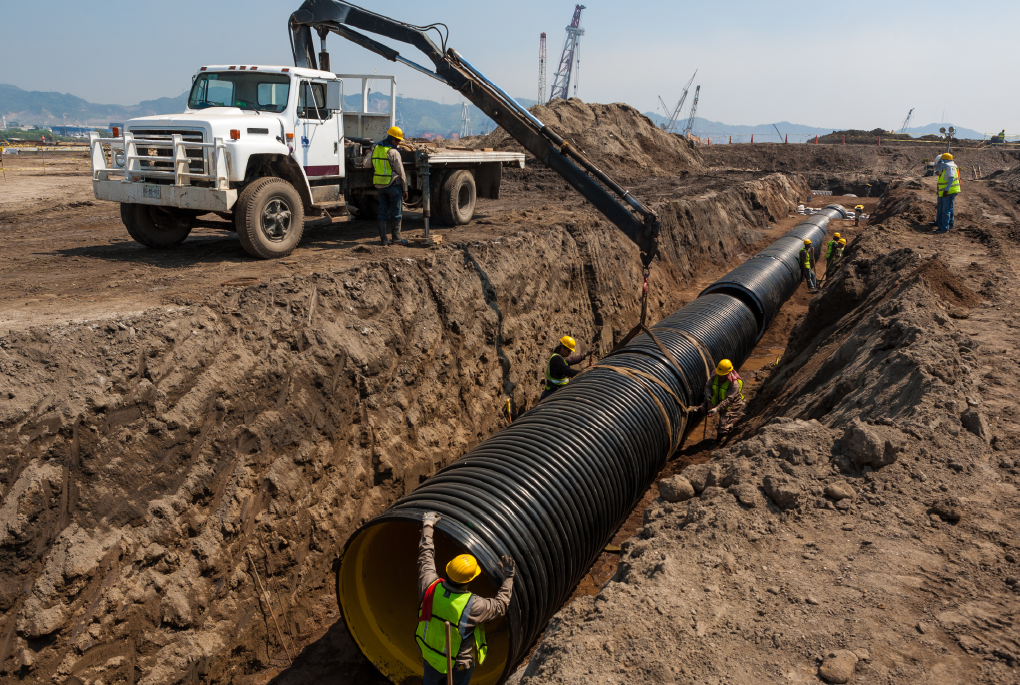
Giving Water a Better Route Across the Property
Professional drainage excavation in Fort Collins, CO addresses the elevations, obstructions, and low areas that allow runoff to collect where it should not. Class 5 Excavating studies slope direction, soil conditions, foundation proximity, discharge points, driveway crossings, and existing drainage features before moving earth.
Our crew excavates new driveway paths, widens established access, removes failed surfaces, corrects weak areas, and shapes stable subgrades. Careful material placement and compaction prepare the route for aggregate base, drainage components, and final surfacing.
Drainage Solutions Shaped Around Actual Water Movement
Effective drainage work must respond to how water enters, crosses, and leaves the site. Class 5 Excavating provides drainage excavation in Fort Collins, CO with careful elevation control, practical outlet planning, and earthwork designed around the property’s existing and proposed use.
Runoff Path Correction
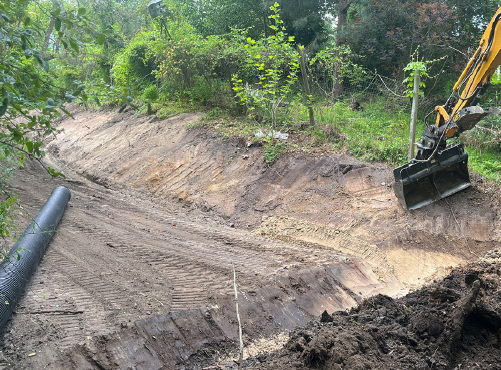
We reshape slopes and low areas to guide surface water toward suitable collection points, swales, or discharge routes.
Drainage Feature Excavation
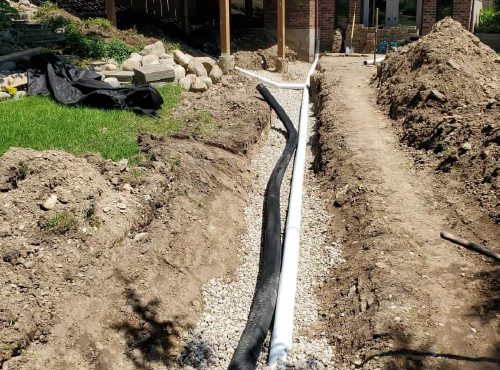
Trenches, culvert areas, channels, and underground pipe routes are excavated to planned depths, slopes, and alignments.
Drainage improvement may be coordinated with finish grading, driveway excavation, foundation work, or broader site development. Our team considers surface transitions, erosion potential, equipment access, and future maintenance while creating a drainage layout that integrates naturally with the surrounding property.
Drier Ground Creates More Usable Property
Professional drainage excavation helps reduce standing water, erosion, soft ground, driveway damage, and moisture near foundations. Correct slopes and defined water routes also improve landscape usability, access, soil stability, and long-term performance across developed property areas.
- Reduced Standing Water
- Improved Runoff Direction
- Stronger Soil Stability
- Protected Property Features
Drainage Excavation Questions for Persistent Water Problems
Water issues can result from poor grading, blocked routes, low elevations, compacted soil, or inadequate drainage features. These answers explain how excavation may correct common runoff problems around Fort Collins properties.
What drainage problems can excavation correct?
Drainage excavation can address standing water, foundation runoff, eroded slopes, washed-out driveways, blocked channels, low yard areas, inadequate culverts, and missing pipe routes. The solution depends on elevations, soil, available outlets, and water volume.
Can grading alone solve a drainage problem?
Some problems can be corrected through regrading that establishes positive slopes and removes shallow depressions. More complex conditions may require swales, trenches, culverts, underground pipe, collection points, or coordinated drainage structures.
What is a drainage swale?
A drainage swale is a shallow, graded channel that carries surface runoff toward a suitable outlet. Its width, depth, slope, and surface treatment depend on expected water flow, soil conditions, and surrounding property use.
Can drainage excavation protect a foundation?
Proper grading and drainage routes can direct surface water away from foundation walls and reduce soil saturation nearby. Additional waterproofing or specialized foundation drainage may also be needed, depending on the source of moisture.
How is a drainage excavation project priced?
Cost depends on excavation length, depth, grading area, soil or rock, culverts, pipe, imported material, disposal, access, and restoration. A site evaluation is needed to understand elevations and identify a workable discharge route.